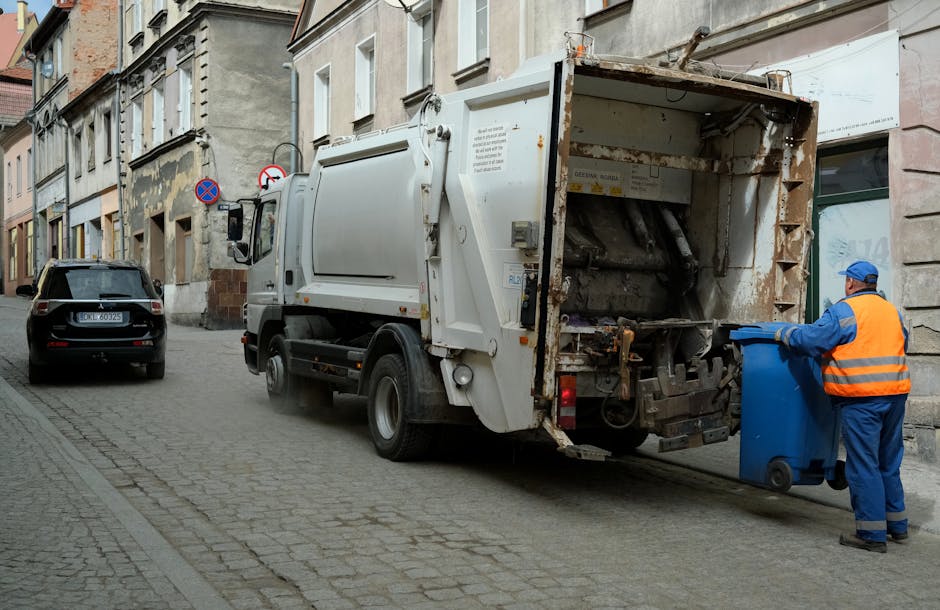
Crawley rubbish removal near Three Bridges station
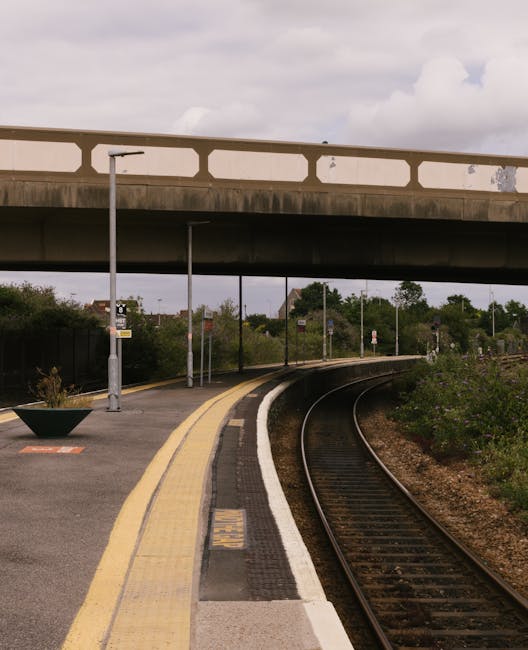
If you are trying to clear waste quickly around Three Bridges station, you probably want the same things most people do: a fast arrival, a fair price, and no hassle with heavy lifting, awkward parking, or rubbish sitting around for another week. Crawley rubbish removal near Three Bridges station is often less about "getting rid of junk" and more about solving a practical problem with as little disruption as possible. That might be a flat clearance after a move, a pile of builders' rubble after a weekend project, or just a fridge, sofa, and a few black bags that have somehow multiplied in the corner. We have all seen that corner.
This guide explains how local rubbish removal works, what to expect near a busy station area, which jobs it suits best, and how to choose a service without overpaying or creating avoidable issues. If you want a broader overview of services, the main waste removal page is a useful starting point, and for specific home situations you may also find home clearance and house clearance helpful.
Three Bridges has its own rhythm. Trains, commuter traffic, smaller access roads, flats near the station, and the usual challenge of timing everything between school runs and work. So let's make this straightforward.
Why Crawley rubbish removal near Three Bridges station Matters
Rubbish removal sounds simple until you are standing outside a property with a sofa, a broken wardrobe, two bags of old paperwork, and no easy place to park. Near Three Bridges station, that challenge can be amplified by time pressure and access. People tend to clear waste before a move, after a tenancy ends, during renovations, or when a business needs to stay tidy and presentable. In those moments, delay costs more than money; it can affect handovers, inspections, and your own peace of mind.
The station area also brings a few practical realities. Vehicles may need careful positioning. Flats can mean stairwells, communal areas, and tighter entry points. Busy periods can make it harder to leave waste out for long. To be fair, nobody wants bags sitting around while commuters pass by. Fast, tidy removal is not just convenient, it is often the cleanest solution.
There is another reason this matters: responsible disposal. Not everything can go into general household waste, and some items need specialist handling. That includes electricals, white goods, and anything potentially hazardous. If waste is mishandled, the result can be fines, complaints, or a load of extra admin. Nobody needs that on a Tuesday morning.
For businesses, the stakes are a little different but just as real. An office, retail unit, or small workspace near the station needs clutter removed efficiently so staff can keep moving and customers do not walk into a mess. If that sounds familiar, business waste removal and office clearance can be more appropriate than trying to piece together ad hoc disposal methods.
Expert summary: Near Three Bridges station, rubbish removal works best when it is planned around access, timing, item type, and the way the property is actually used day to day. Quick is good. Careful is better.
How Crawley rubbish removal near Three Bridges station Works
Most rubbish removal jobs follow a fairly clear pattern, although the details can vary. First, you explain what needs removing. That might be one item or a full load. Then the provider estimates how much waste there is, what type it is, and whether anything needs special handling. After that, a collection time is arranged and the team removes the waste, loads it, and takes it away for sorting, recycling, or disposal.
In practical terms, the process is usually quicker than people expect. If the waste is already bagged and easy to access, collection can be very efficient. If it includes bulky furniture, mixed materials, or items from a loft or garage, a bit more time is needed. That is normal. A proper service should account for the labour involved, not just the volume on paper.
Near the station, access planning matters. Is the waste on the ground floor? Is it through a narrow hallway? Is parking limited or likely to be shared? These questions affect both timing and price. A good provider will ask them early rather than arriving and improvising, which rarely ends well.
For certain contents, a separate service is more appropriate. Old sofas and beds, for example, are easier to deal with via mattress and sofa disposal when the job is focused on bulky household furniture. If you are dealing with cabinets, tables, or mixed pieces, furniture clearance or furniture disposal may fit better.
One small but useful detail: removal teams often work faster if the waste has been separated sensibly. Cardboard with cardboard, metal with metal, and general mixed waste grouped together. It is not a requirement in every case, but it helps. And yes, it saves a bit of faffing around.
Key Benefits and Practical Advantages
The first benefit is speed. If you are clearing a property near Three Bridges station, speed can be the difference between a smooth day and a stressful one. Same-day or short-notice collection can be a lifesaver when keys need to be handed back, contractors are waiting, or you simply cannot leave rubbish outside another night.
The second benefit is physical effort removed from your plate. Heavy lifting is the part people underestimate. A wardrobe looks manageable until it needs to be carried down two flights of stairs, turned sideways through a doorway, and loaded without damaging the walls. A professional clearance service reduces the chance of injury and helps protect the property too. That matters if you are a tenant, landlord, homeowner, or agent.
The third benefit is cleaner sorting. Responsible removal is not just about van space. It is also about separating recyclable material from general waste and diverting items where possible. If sustainability matters to you, it is worth looking at the provider's approach to recycling and sustainability. You do not need a lecture. Just a process that treats the waste properly.
There is also the trust factor. A clear, documented service is easier to use than trying to rely on a friend with a trailer, especially if the load includes electrical items, confidential papers, or awkward mixed waste. For paper-heavy clearances, confidential shredding can be a sensible add-on. Truth be told, old invoices and bank letters have a habit of lurking in the bottom of drawers forever.
| Option | Best for | Typical advantage | Possible downside |
|---|---|---|---|
| Ad hoc self-disposal | Very small loads | Low direct cost | Time, transport, lifting, multiple trips |
| Skip hire | Longer projects with ongoing waste | Useful for gradual filling | Space needed, permits may be relevant, manual loading |
| Professional rubbish removal | Bulky, mixed, urgent, or awkward waste | Fast collection, loading included | Usually higher than DIY on paper, but often better value overall |
For many people near the station, that last option is the sweet spot. It simply fits how real life works.
Who This Is For and When It Makes Sense
This kind of rubbish removal is useful for homeowners, tenants, landlords, letting agents, small businesses, builders, and anyone dealing with a cluttered space close to the station. It is especially handy when the property is time-sensitive or access is a little awkward, which, let's face it, is fairly common in busy parts of Crawley.
It makes sense if you are:
- moving out and need the property left clean
- clearing a flat, maisonette, or shared house
- dealing with builders' rubble or renovation leftovers
- emptying a garage, loft, or shed
- replacing furniture and need the old pieces taken away
- disposing of an appliance that is too large to handle yourself
- getting a garden back under control after a long stretch of neglect
For home and property clearances, the scope can vary a lot. A few bin bags is one thing. A full loft with boxes, broken luggage, and dusty furniture is another. If you are tackling a larger domestic job, it can help to review loft clearance, garage clearance, or garden clearance depending on where the waste is coming from.
It also makes sense when you want a simple answer rather than a weekend lost to loading and tip runs. There is nothing glamorous about three trips in a hatchback with the boot half-open and dust everywhere. Been there, regretted it.
Step-by-Step Guidance
If you want the smoothest possible experience, it helps to treat rubbish removal as a mini project. Not a huge one. Just enough planning to avoid surprises.
- List what needs to go. Separate furniture, general waste, appliances, rubble, and anything unusual.
- Check access. Note stairs, narrow passages, parking restrictions, lift access, and whether the waste is inside or outside.
- Identify anything special. Electrical items, fridges, freezers, paint, chemicals, and sharp materials need extra attention.
- Take a few photos. They help with estimates and reduce back-and-forth later.
- Ask how loading works. Some services include all labour; others price differently if the items are particularly heavy or difficult.
- Confirm timing. In a station area, tight schedules matter. Make sure the collection window suits your day.
- Clear a path where possible. A simple route to the waste saves time and avoids scrapes on walls or flooring.
- Check what happens after collection. Recycling, reuse, and compliant disposal should be part of the process.
If the job is commercial, it is worth confirming whether the waste stream includes office equipment, confidential materials, or fixtures. That might point you towards office clearance rather than a broad domestic service. For businesses with ongoing waste needs, business waste removal is often the more practical route.
One sensible habit: keep a written note of what you have agreed. Nothing fancy. Just the item list, access notes, and timing. It avoids the sort of "I thought you meant the old freezer as well" conversation that nobody enjoys.
Expert Tips for Better Results
Start by grouping waste by type before the collection day. It may look neat enough already, but even a light sort can make the job cleaner and more efficient. Cardboard should not be buried under mixed rubbish if it can be avoided. Wood, metal, and reusable items are worth keeping visible.
If you have furniture, consider whether any piece is genuinely rubbish or merely unwanted. A solid table, shelf, or chair might be better handled through furniture disposal or furniture clearance, especially if it is part of a larger mixed load. The distinction matters because the more accurately the job is described, the more accurate the estimate tends to be.
Watch the weather too. A wet morning can turn cardboard and soft furnishings into awkward, soggy misery. If collection is planned for early, keeping waste covered overnight can save a lot of trouble. Small thing, big difference.
It also helps to think in terms of access rather than just volume. A small amount of waste from a top-floor flat can take longer than a larger pile on the driveway. That is why photos and honest descriptions are worth their weight in tea. They help everyone.
And if you are preparing a larger clear-out, combine related jobs where possible. For example, a loft, garage, and furniture clearance can sometimes be coordinated into a single visit. Fewer disruptions. Fewer days spent waiting around listening for a van that never quite arrives.
Common Mistakes to Avoid
One of the most common mistakes is underestimating how much waste there actually is. Small piles grow fast. Boxes contain more boxes. Cupboards contain forgotten things. It is almost comic, if it were not so annoying.
Another mistake is failing to flag special items in advance. Fridges, freezers, appliances, and hazardous materials can change how the job is handled. A provider may need to plan separate collection or handling methods, so hiding those details only slows things down. For appliances specifically, fridge and appliance removal is often the more appropriate route.
People also sometimes choose the cheapest-looking option without checking what is actually included. Does the quote include loading? Is there a waiting charge? Are there access assumptions? Is recycling included? The low number on its own can be misleading.
Then there is the "I will sort it later" mistake. If waste is left by communal entrances, near pavements, or in shared areas, it can become a nuisance quickly. In a busy location near the station, that is even more likely. Better to get it gone properly than let it become the neighbourhood's problem.
Finally, do not assume all waste is the same. A bag of general household rubbish is not the same as builders' debris or confidential office material. For construction-related mess, builders waste clearance is a better fit. It sounds obvious, but under pressure people often forget. Happens all the time.
Tools, Resources and Recommendations
You do not need specialist equipment to prepare for rubbish removal, but a few simple tools make the day easier.
- Heavy-duty gloves for handling rough or dusty items
- Bin bags and rubble sacks for separating mixed waste
- A tape measure for checking bulky items before collection
- Phone photos to show access and item sizes
- Marker labels if you want items grouped by room or priority
- Dust sheets to protect floors and hallways
For a quick understanding of what can be loaded into mixed clearance jobs, what can go in a skip is a useful reference point even if you are not booking a skip. The underlying principle is the same: separate ordinary waste from restricted items where possible, and do not guess with anything risky.
If you want to check value more carefully, review pricing and quotes alongside the service details. Good pricing is not just about being cheap. It is about being clear. That is boring, maybe, but very useful.
For users who care about payment confidence and process clarity, payment and security can be worth a quick look. The goal is simple: know how you are paying, what you are paying for, and what happens if plans change.
Law, Compliance and Best Practice
Waste removal in the UK is not just a practical service; it also sits inside a framework of legal responsibility and good practice. You do not need to memorise legislation to use a clearance service sensibly, but you should expect the provider to handle waste responsibly and to know when special handling is required.
As a customer, the safest approach is to make sure the waste is described accurately, especially if there are electrical items, appliances, sharp materials, chemicals, or anything that may fall into a restricted category. Misdescription is one of the easiest ways to create avoidable problems. If there is any doubt, say so early and ask how it will be handled.
Best practice also includes proper loading, safe lifting, and respect for the property. That sounds basic because it is. Hallways should not be scraped, shared areas should be kept tidy, and waste should be removed in a way that does not inconvenience neighbours more than necessary. Near the station, where space and movement are often tighter, that kind of care matters even more.
For businesses, there is an added expectation of tidiness, record-keeping, and sensible segregation of waste. Documents, electronics, and fixtures can all need different handling. If your clearance involves confidential records, separate those from the general load so that shredding and disposal are handled correctly. If it involves fridges or similar appliances, make that clear from the start. A little honesty upfront saves a lot of crossing wires later.
If you are ever unsure whether an item is suitable for standard rubbish removal, treat that as a signal to ask rather than guess. Best practice beats a rushed assumption every time.
Options, Methods, or Comparison Table
Different situations call for different approaches. There is no single perfect method, and that is fine.
| Method | Good for | Strengths | Things to consider |
|---|---|---|---|
| Rubbish removal service | Mixed loads, bulky items, urgent clearances | Fast, labour included, less stress | Best when access and item details are clear |
| House or flat clearance | Whole rooms, move-outs, tenancy changes | Comprehensive, practical, time-saving | May involve more planning if lots of contents remain |
| Furniture-specific disposal | Sofas, beds, tables, wardrobes | Very efficient for bulky domestic items | Not ideal if the load is mostly mixed waste |
| Builders' clearance | Renovation debris, rubble, packaging | Good for construction leftovers | Heavy materials may affect loading and pricing |
| Skip hire | Ongoing jobs with steady waste output | Useful over several days | Requires space and manual loading |
If your clear-out is mostly domestic and you want everything taken in one go, flat clearance or home clearance can be more appropriate than a generalised load. If the issue is a renovation, builders waste clearance usually makes more sense. Matching the method to the mess is half the job, really.
Case Study or Real-World Example
Imagine a small flat a short walk from Three Bridges station. The tenant is moving out on Friday, the inventory check is due Saturday morning, and there is still a sofa, a broken desk, a mattress, and several bags of mixed clutter in the living room. The hallway is narrow, the lift is shared, and parking is limited by the station traffic pattern.
In a situation like that, the smart move is to describe the items clearly, note the access issue, and ask for a collection window that fits around the handover. A single visit can usually solve the problem if the load is described properly. The sofa and mattress can be handled alongside general waste, while the desk may need careful loading because of awkward edges and weight. The result is much cleaner than trying to dismantle everything at the last minute with a screwdriver and optimism.
Now compare that with a small office near the station getting rid of old chairs, archive boxes, and a few obsolete monitors. That job is different. You may want office clearance, perhaps alongside confidential shredding if the boxes contain paperwork. The key is that the waste is similar in appearance but not in handling needs. One size does not fit all.
In both examples, the success factor is the same: clear information. Not fancy preparation. Just enough detail for the team to plan properly and arrive ready to work.
Practical Checklist
Use this checklist before booking your collection.
- List every item that needs removing
- Separate ordinary waste from electricals, appliances, and anything unusual
- Take photos of the load and the access route
- Check whether the property is a house, flat, office, or mixed-use space
- Confirm if stairs, lifts, or narrow corridors are involved
- Make sure parking or stopping access is realistic near the station
- Ask whether loading is included
- Clarify how bulky or heavy items are priced
- Remove personal valuables from drawers, cupboards, and boxes
- Cover or protect floors if the waste route is tight or dusty
- Check whether any item needs specialist handling
- Keep written confirmation of the booking details
Quick take: the more clearly you describe the waste, the smoother the removal will be. Simple as that.
Conclusion
Crawley rubbish removal near Three Bridges station is really about making a busy part of life feel manageable. Whether you are moving, renovating, clearing clutter, or dealing with business waste, the right service should reduce stress rather than add to it. That means clear pricing, sensible planning, careful handling, and a proper approach to recycling and disposal.
If you remember one thing, make it this: think about access, item type, and timing before collection day. Those three details solve most problems before they start. And when the load is gone, the room always feels different. Lighter. Quieter. A bit like getting your head back, honestly.
Get a free quote today and see how much you can save.
If you are comparing service details, it can also help to review about us and insurance and safety so you know who is handling the work and how they approach it. That kind of reassurance matters when the job is right on your doorstep.
Frequently Asked Questions
How fast can rubbish removal near Three Bridges station usually be arranged?
It depends on the load size, access, and how busy the schedule is, but many collections can be arranged quite quickly if the details are clear. Photos help a lot.
Is rubbish removal better than hiring a skip for a flat near the station?
For many flats, yes. If access is tight, space is limited, or you want the waste lifted for you, removal is often easier than dealing with a skip outside.
Can you remove furniture and general rubbish together?
Usually yes, as long as the items are described properly. Mixed loads are common, especially in move-outs and clearance jobs.
What if I have a fridge, freezer, or another appliance?
Say so before booking. Appliances often need specific handling, so it is better to mention them early rather than leave them as a surprise on the day.
Do I need to be there during collection?
Sometimes yes, sometimes not. It depends on access, the property type, and how the arrangement is being managed. If you are not on site, make sure the instructions are very clear.
How do I know whether my waste needs special handling?
If it includes electricals, appliances, chemicals, paint, sharp materials, or something you are unsure about, treat it as potentially special. Ask before collection rather than guessing.
Is this suitable for landlords and letting agents?
Definitely. End-of-tenancy clearances, leftover furniture, and quick turnaround jobs are exactly the sort of situations where a removal service is useful.
Can office rubbish be cleared near Three Bridges station too?
Yes. Office clearances, confidential material, and old equipment are all common jobs. For business premises, office clearance and business waste removal are especially relevant.
Will the team take things from upstairs or from a loft?
Usually they can, but stairs, loft ladders, and narrow access may affect the time required and sometimes the price. It is best to mention these details upfront.
What should I do with paperwork and documents?
If the papers contain personal or commercial information, keep them separate and ask about secure disposal. Confidential shredding is the sensible option for sensitive documents.
How can I prepare to get the best price?
Be specific about the items, send photos, and make access clear. Accurate information helps avoid guesswork and usually leads to a more reliable quote.
What is the main mistake people make with local rubbish removal?
They underdescribe the job. One extra sofa, one hidden fridge, or one awkward flight of stairs can change the work quite a bit. Clear information saves everyone time.
Sometimes the simplest jobs are the ones that feel best once they are done. And that, in the end, is what good rubbish removal should deliver.