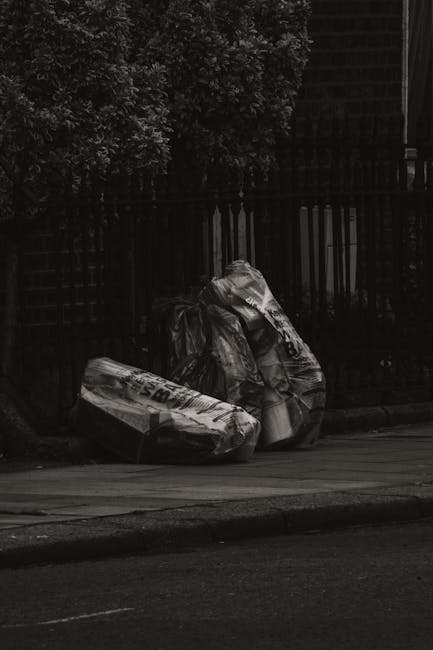
Crawley Bewbush estate guide to bulky waste and rubbish removal
If you live on the Bewbush estate in Crawley, bulky waste can become one of those jobs that quietly builds up in the corner of your life. A broken wardrobe in the hallway. A sagging mattress that's been leaning against the wall for weeks. Bags of mixed rubbish from a loft clear-out. Before you know it, the front room, shed, or garage feels cramped and awkward.
This Crawley Bewbush estate guide to bulky waste and rubbish removal breaks the process down in plain English. You'll learn what counts as bulky waste, how removal usually works, what to do before collection, which items need special handling, and how to avoid the common mistakes that create delays or extra cost. It's practical, local, and aimed at helping you clear space without the usual hassle.
For readers who want a broader overview of property clear-outs and waste handling, the site also covers waste removal options and useful related services such as furniture disposal and garage clearance.
Table of Contents
- Why Crawley Bewbush estate guide to bulky waste and rubbish removal Matters
- How Crawley Bewbush estate guide to bulky waste and rubbish removal Works
- Key Benefits and Practical Advantages
- Who This Is For and When It Makes Sense
- Step-by-Step Guidance
- Expert Tips for Better Results
- Common Mistakes to Avoid
- Tools, Resources and Recommendations
- Law, Compliance, Standards, or Best Practice
- Options, Methods, or Comparison Table
- Case Study or Real-World Example
- Practical Checklist
- Conclusion
- Frequently Asked Questions
Why Crawley Bewbush estate guide to bulky waste and rubbish removal Matters
Bulky waste is different from everyday household rubbish. It is larger, harder to move, and often too awkward for normal bins or standard collection routines. On an estate like Bewbush, that matters for two big reasons: space and safety. Shared paths, stairwells, small gardens, and tight parking all make it more important to plan removals properly.
Left too long, bulky items can start to affect how a home functions. A mattress blocks a spare room. Old units make cleaning harder. Builders' rubble or broken fittings sitting outside can create a trip hazard, and nobody wants that. Let's face it, once clutter starts spreading, it never politely stops at one room.
There's also the question of what can and cannot go into ordinary refuse. Some items are fine for a general clear-out, some need a specialist collection, and some should be separated because they are recyclable or require careful disposal. If you are dealing with a mixed load, it helps to understand the difference before anyone starts lifting heavy things into a vehicle.
Expert summary: the best bulky waste removal plans are the simple ones: sort early, separate risky items, check access, and choose a method that matches the size of the load. That little bit of planning usually saves time, money, and stress.
How Crawley Bewbush estate guide to bulky waste and rubbish removal Works
In practical terms, bulky waste removal is a collection, clearance, or drop-off process for large items that are not suitable for regular wheelie-bin disposal. The exact approach depends on the volume of waste, the item type, how quickly you need it gone, and whether the material can be reused or recycled.
A typical process looks something like this:
- Identify the items you want removed.
- Separate bulky waste from general rubbish and hazardous materials.
- Estimate how much space the load will take.
- Check access: stairs, lifts, parking, and the distance from the property to the collection vehicle.
- Choose a collection method that suits the job.
- Prepare the items so they can be lifted safely.
- Schedule the removal and confirm any special handling requirements.
That sounds straightforward, and mostly it is. The catch is in the detail. A flat-pack wardrobe is not the same as a heavy oak dresser. A couple of bags of mixed junk are not the same as old appliances or broken garden materials. If you want to avoid awkward surprises on the day, be honest about what's there, even if the pile has grown into a small monument to good intentions.
If you are clearing a home more widely, it can help to look at related services such as home clearance, house clearance, or flat clearance depending on the property type and how much needs removing.
Key Benefits and Practical Advantages
Good bulky waste and rubbish removal is not just about getting rid of stuff. It improves the feel and function of a property very quickly. You notice it the moment the load goes. The room sounds different somehow. Less echo, less visual noise, more breathing space.
- More usable space: rooms, garages, sheds, and communal areas become easier to move around in.
- Better safety: fewer trip hazards, fewer unstable stacks, and less risk from heavy lifting done badly.
- Cleaner presentation: useful if you're moving, refurbishing, renting out, or just trying to reset the home.
- Less stress: one coordinated collection is usually easier than multiple trips with a car full of clutter.
- Potential recycling: a decent operator should separate reusable or recyclable materials where possible.
There's a practical side too. If you have a deadline - a tenancy handover, decorator arrival, or a family visit - a well-planned removal gives you a bit of control back. And honestly, that feeling matters. You stop walking around the same obstacle three times a day and start using the room again.
For items like broken sofas, worn mattresses, or mixed furniture, related guidance such as mattress and sofa disposal and furniture clearance can be especially useful.
Who This Is For and When It Makes Sense
This guide is useful for a wide range of Bewbush residents and property users. In our experience, the need usually falls into one of a few familiar situations.
- Homeowners: doing a spring clean, replacing furniture, or clearing a packed garage.
- Tenants: moving out and needing to leave the property tidy and clear.
- Landlords and letting agents: handling end-of-tenancy rubbish, abandoned items, or quick turnarounds.
- Families: clearing children's outgrown furniture, broken appliances, or excess household clutter.
- Trades and renovators: dealing with builders' waste, packaging, and old fittings after work is finished.
- Small businesses working locally: removing office furniture, stockroom waste, or archive material.
Sometimes the decision is obvious. A smashed wardrobe in a small flat? Yes, it needs removing. Other times it is less clear. A pile of mixed items in a shed might be part garden waste, part household clutter, and part electrical waste. That's when a proper sorting plan matters most.
If the job involves a mix of household items and building debris, a dedicated service such as builders waste clearance may be more appropriate than a general rubbish collection.
Step-by-Step Guidance
If you want the process to go smoothly, work through it in order. There is a kind of relief in being methodical about it. One job at a time. One pile at a time.
1. Sort the waste into clear categories
Start by separating furniture, general rubbish, electrical items, garden waste, and anything hazardous. This makes loading easier and helps avoid problems with items that need special handling.
2. Measure or estimate the load
You do not need a tape measure for everything, but a rough idea helps. Is it one sofa and a few bags, or half a garage? That difference changes the vehicle size, time needed, and likely cost structure.
3. Check access around the property
Think about stairways, tight corners, lift access, parking restrictions, and whether items need carrying far from the front door. Bewbush properties can vary, and the same job can be easy in one block and fiddly in the next. A quick look beforehand avoids the classic "oh, that's going to be awkward" moment.
4. Put aside restricted items
Some waste types should be kept separate. Fridges, freezers, and other appliances often need special disposal. Hazardous materials should not be mixed into general loads. If there's any doubt, pause and identify the item properly rather than hoping for the best. Hope is lovely. Compliance, slightly more useful.
5. Choose the right service level
For smaller loads, a simple waste removal visit may be enough. For a full property clear-out, a more structured approach may be better. If you're clearing one room, an appliance or furniture-specific service may be more efficient.
6. Prepare the property
Move smaller loose items into one area if you can do so safely. Clear a path to the exit. Keep pets and children out of the way. If you are dealing with a whole-house clear-out, it helps to label what stays and what goes. One misplaced item can be a headache later.
7. Confirm the collection details
Agree what is being taken, where it is located, and whether anything requires dismantling. If a sofa is too large for a narrow doorway, it may need to be broken down first. Better to know that in advance than discover it with two people standing in a corridor and a sofa stuck halfway out.
Expert Tips for Better Results
These are the small things that make a surprisingly large difference. Not glamorous, but very effective.
- Photograph the load before collection: this helps everyone stay clear about what is included.
- Separate clean recyclables from mixed rubbish: it often makes sorting easier and improves recovery rates.
- Break down items where safe: flat-pack furniture, dismantled shelving, and folded cardboard take up less space.
- Keep screws, sharp edges, and loose glass under control: wrap or tape them if needed.
- Have a parking plan: it saves time if the vehicle can get close.
- Don't leave the "mystery pile" for the day of collection: this is how one bag becomes four, very quickly.
A small but useful habit is to create two zones: definitely going and maybe later. It sounds simple, almost too simple, but it stops you making rushed decisions. And yes, there is always one thing you are weirdly sentimental about. We all have that drawer.
For appliance-related jobs, the dedicated fridge and appliance removal page is a helpful reference point, especially where electrical or cooling units are involved.
Common Mistakes to Avoid
The most common errors are not dramatic. They are small, ordinary things that create problems later.
- Mixing hazardous waste into general rubbish: this can create safety and disposal issues.
- Underestimating the volume: a "few bits" can become a full load once gathered together.
- Ignoring access restrictions: blocked walkways or poor parking add time and hassle.
- Forgetting to separate reusable items: some furniture or fixtures may be better reused, sold, or donated where appropriate.
- Leaving sorting until the last minute: it slows down the whole job.
- Assuming every item can go together: not all waste streams are treated the same way.
Another common issue is emotional delay. People hold onto broken or unwanted things because sorting them feels like a bigger task than it is. Truth be told, the job usually shrinks once you start it. The first bag is the hardest; after that, momentum takes over.
Tools, Resources and Recommendations
You do not need specialist equipment for every job, but a few basic items make things easier and safer.
| Item | Why it helps | Best use |
|---|---|---|
| Gloves | Protect hands from splinters, dirt, and sharp edges | General loading and sorting |
| Strong bags or tubs | Keep loose rubbish together | Mixed household waste |
| Labels or masking tape | Marks keep / remove items | Home clear-outs and moving prep |
| Screwdriver or basic toolkit | Helps dismantle furniture safely | Wardrobes, beds, shelving |
| Dust sheet or old blanket | Protects floors and walls during moving | Indoor removals |
For readers trying to decide whether a skip or a direct collection suits the job, the page on what can go in a skip is worth a look. It helps you think through item types and load composition before you commit.
If the project includes office furniture, paper archives, or business contents, it may also be worth reviewing office clearance and confidential shredding so sensitive material is handled properly.
Law, Compliance, Standards, or Best Practice
Any waste removal activity in the UK should be handled responsibly, with care taken over duty of care, segregation, and safe transfer. You do not need to memorise legislation to make sensible decisions, but you should know the broad principles.
In plain terms, that means:
- make sure waste goes to an appropriate destination;
- keep hazardous items separate;
- avoid fly-tipping or handing waste to an untrustworthy collector;
- store and move items safely, especially heavy furniture or sharp debris;
- use a provider that can explain how they deal with different waste types.
If you are a business, there is usually an extra layer of responsibility around records, separation, and the handling of commercial waste. That is where a service focused on business waste removal can be more suitable than a domestic-only approach.
For items that carry higher risk, such as solvents, paints, certain cleaners, or damaged batteries, hazardous waste disposal should be considered before anything else. Better safe than sorry, as the old saying goes. In waste jobs, that is not just a saying.
Best practice also includes good communication. A clear description of the items, photos if needed, and honest access details help prevent confusion on the day. That is the sort of boring detail that saves the whole operation from wobbling.
Options, Methods, or Comparison Table
There are a few common ways to deal with bulky waste in Bewbush. The right one depends on how much you have, what the items are, and how quickly you need them gone.
| Method | Best for | Pros | Watch out for |
|---|---|---|---|
| Single-item removal | One appliance, sofa, or mattress | Simple, fast, low fuss | May not suit mixed loads |
| General waste removal | Mixed bags, clutter, and bulky items | Flexible and convenient | Needs sensible sorting |
| Furniture-specific clearance | Old sofas, beds, wardrobes, tables | Good for large household items | Some items may need dismantling |
| Full property clearance | Homes, flats, garages, lofts | Ideal for large jobs and moves | Needs clearer planning |
| Skip-based approach | Renovation or ongoing loading | Useful if the waste builds over time | Access, permits, and item limits may apply |
If you want a deeper sense of which method suits your situation, compare it with your actual routine. Do you need everything cleared in one go, or are you dealing with a project that runs over several days? That answer usually points you in the right direction.
Case Study or Real-World Example
A typical Bewbush scenario goes like this. A family has been in the same property for years, and the garage has become a sort of museum for old furniture, broken toys, leftover decorating materials, and an appliance that stopped working during a cold spell. Nothing dramatic, just normal life building up around the edges.
They started by sorting the contents into four groups: keep, donate/reuse, bulky waste, and items needing special handling. The old bed frame came apart easily. A sofa and mattress were set aside for disposal. The garden bits were separated from the general rubbish. One fridge unit needed checking separately because, frankly, cooling appliances are a different story from a bag of mixed clutter.
The biggest win was not speed, though that mattered. It was clarity. Once the garage contents were sorted, the family could see the floor again, move boxes safely, and use the space for storage rather than navigating around a stack of "temporary" things that had stayed far too long.
That is often how these jobs feel in real life. Not glamorous. Very satisfying, though. And a bit quieter once the load is gone.
Practical Checklist
Use this before collection day so nothing important gets missed.
- List every item that needs removing.
- Separate bulky waste from general rubbish.
- Move hazardous items aside for review.
- Check whether appliances need special handling.
- Dismantle furniture only if it can be done safely.
- Clear access routes inside and outside the property.
- Confirm parking or loading access if needed.
- Keep children and pets away from the work area.
- Photograph the load if it helps with confirmation.
- Double-check what stays and what goes.
Small checklist, big difference. It really does make the day calmer.
Get a free quote today and see how much you can save.
Conclusion
Bulky waste removal on the Bewbush estate does not have to be complicated. Once you know what counts as bulky waste, how to separate items, and which service style fits your load, the whole job becomes much easier to manage. The key is to plan early, stay realistic about access and volume, and treat special items with care.
Whether you are clearing one room, tackling a garage that has quietly overflowed, or getting a property ready for its next chapter, the right approach saves time and prevents avoidable stress. That alone is worth the effort. A tidy space changes the way a home feels, and sometimes that's exactly the fresh start people need.
When you are ready to take the next step, a clear plan and a straightforward collection approach can make the whole process feel lighter. Bit by bit, the clutter goes. Space comes back. And that's a good feeling.
Frequently Asked Questions
What counts as bulky waste in Bewbush?
Bulky waste usually means large household items such as sofas, mattresses, wardrobes, tables, chairs, appliances, and similar objects that do not fit into normal bins.
Can I put bulky waste out with my regular rubbish?
Usually no. Larger items often need separate collection or specific handling, especially if they are heavy, awkward, or made of materials that should be recycled or treated differently.
What should I do with old furniture before removal?
If it is safe, remove loose contents, check for hidden items, and dismantle only what you can do securely. If the furniture is part of a wider clearance, grouping it together makes collection easier.
How do I know if an item is hazardous?
If it contains chemicals, oils, fuels, batteries, asbestos risk, or other potentially harmful materials, treat it as hazardous until confirmed otherwise. When in doubt, separate it and ask for guidance.
Are fridges and freezers treated differently?
Yes, often they are. Cooling appliances can need specialist handling, so it is sensible to keep them separate from ordinary furniture or general rubbish.
Is it better to use a skip or a direct collection?
It depends on the waste type and your access. A skip can suit ongoing renovation or larger mixed loads, while direct collection is often easier for one-off bulky items. The right answer is the one that matches the job, not the one that sounds simplest on paper.
How can I reduce the cost of bulky waste removal?
Sort items in advance, keep hazardous waste separate, provide clear access, and avoid mixing reusable furniture with general rubbish. The more organised the load, the smoother the job tends to be.
What if I live in a flat or upper-floor property?
Access matters more in flats. Stairs, lifts, and shared hallways can affect the time and effort needed, so it helps to mention these details early. If you need help with a flat, flat clearance may be a useful option to consider.
Can mixed waste be removed together?
Often yes, but it depends on the mix. Furniture, bags of rubbish, cardboard, and some appliances can sometimes be handled together, while hazardous or specialist waste should be separated.
Do I need to be present during collection?
That depends on the arrangement and how much access is needed. Many people prefer to be there at the start, at least, so they can confirm what is being taken and answer any last-minute questions.
What happens to the waste after it is collected?
That depends on the type of waste and the operator's procedures. Good practice is to sort reusable and recyclable materials where possible, then send the rest to the appropriate processing route.
Where can I learn more about related clearance services?
You can explore related pages on this site, including furniture clearance, garden clearance, and loft clearance for more tailored situations.